“The European Union must protect older people, building an intergenerational agreement, adopting measures for social and healthcare long-term assistance, adequate pensions, and old-age minimum income. We believe that older people must have an active role in European society.”
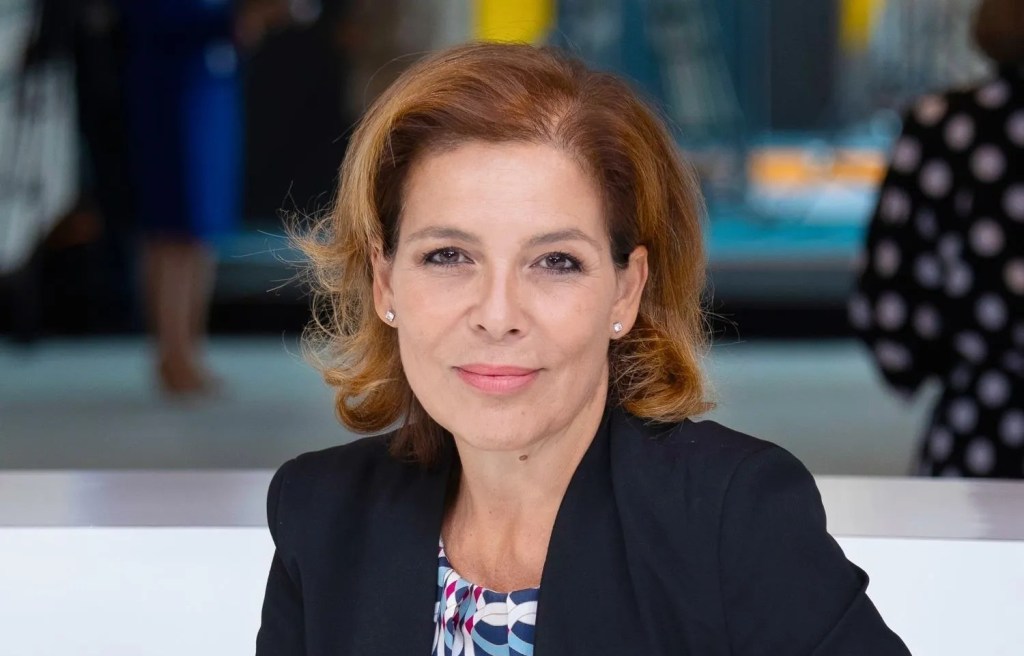
Daniela Rondinelli
Member of the European Parliament
Progressive Alliance of Socialists and Democrats
Why do we need to act now to build sustainable and comprehensive policies on ageing?
The European Union population is ageing. By 2050, 30 percent of the Europeans will be over 65, and 56 percent will be between 75-84 years old. Only 13 percent instead will be less than 55 years old. In Italy, for example, the second country in the world for longevity after Japan, from 1980 to 2023 the expectancy of life has increased ten times.
The European Union must face the most social and economic challenges: a growing older population and a demographic crisis. Ageism can not be a problem for the European Union, instead, it has to be seen as an opportunity.
For this reason, the European Union must protect older people, building an intergenerational agreement, adopting measures for social and healthcare long-term assistance, adequate pensions, and old-age minimum income. We believe that older people must have an active role in European society.
Older people need to receive our full support, and at the same time, the European Union must build a new model to prevent what happened during the COVID-19 pandemic.
What should be included in ageing policies?
We strongly believe that ageing policies must be based on the general principle to break down old stereotypes, prejudices, and
discrimination. We must reinforce the healthcare system with investments in local health services, households, and community services as the Next Generation EU establishes for all Member States. We must ensure equal access to essential services, such as good care services, food housing, public transportation, banking services, and maintaining alternative options to digital services. We must do so, investing public resources and guaranteeing older people to join free time and interpersonal relationships.
We must break down gender inequality among older people. According to Eurostat, older women have lower pensions than older men. The risk of poverty for older women in the European Union has gradually increased since 2013. That risk of poverty causes isolation, social exclusion, and discrimination.
It is also crucial to follow the recommendations of the Health World Organizations (OMS), which declared that older people have the fundamental right and freedom to choose when quitting the labor market. They cannot be forced to work for long, because the State does not provide other alternatives.
How can we ensure the contract and solidarity between generations?
The European Institutions and Trade Unions must elaborate a social agreement to promote a dialogue among younger and older people who have been facing the consequences of the COVID-19 pandemic, the effects of international conflicts, and the climate crisis.
That agreement among generations would be fundamental to recognizing participation, inclusion, specific social and economic rights, physical and mental wellness, high standards of life for older people, and promoting intergenerational solidarity on cultural, professional, and technological knowledge and skills.
This agreement would be crucial to breaking down all forms of discrimination that could affect older people. To achieve this purpose, it will gather and publish inclusive age-disaggregated data without age limits to assess the potential impact of policies and programs, deliver effective policies, and monitor their implementation.
Finally, the European Union must support the drafting of a United Nations Convention on the Rights of Older People. The European Union must take care of and protect older persons, their wellness. For a Better Future.
How can this be reached at the level of the EU institutions and in the next legislature?
First of all, the European Union must change the paradigma: older people are not just a public expenditure.
In the next legislature, the European Union must ensure a European Strategy of Active Ageism, adopt the EU Age Equity Strategy to promote human rights equally at all ages and break down any barriers that impede older people from living fairly and freely in our society.
We must establish strong coordination between the European Commission’s services and the European Parliament, and re-
establish the Intergroup on Ageing and Solidarity between Generations. Our goal is to reinforce older persons’ rights in all Member States. The European Union must take care of and protect older persons, their wellness. For a Better Future.
Which achievements in this sense from the current legislature are you particularly proud of?
In July 2021 the Labor and Social Affairs Parliamentary Commission worked on a significant Initiative Non-Legislative (INI), An Old Continent Growing Older – Possibilities and Challenges Related to Ageing Policy post-2020. This text criticizes the Silver Economy’s model that conservative parties wanted for one purpose: taking off older people the freedom to quit the labor market when they want. The Silver Economy would have exacerbated inequalities and discrimination.
Daniela Rondinelli
Member of the European Parliament
Progressive Alliance of Socialists and Democrats
 AGE Manifesto for the European Parliament Elections 2024
Leave a comment